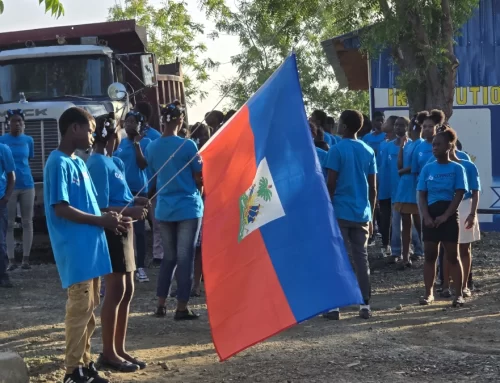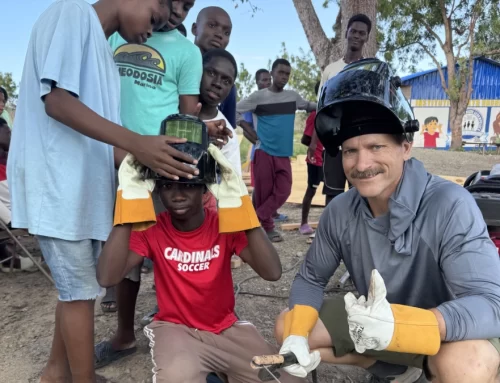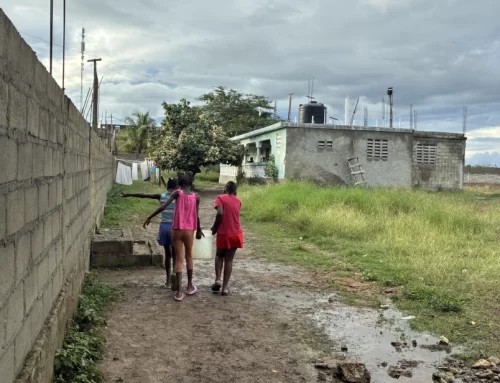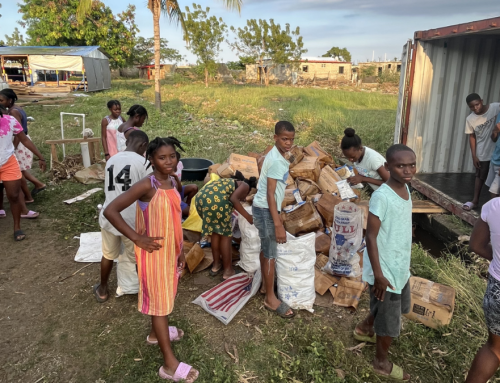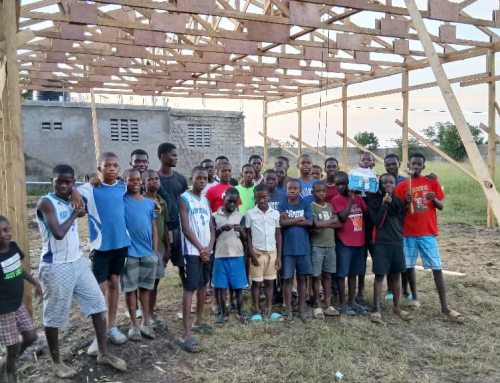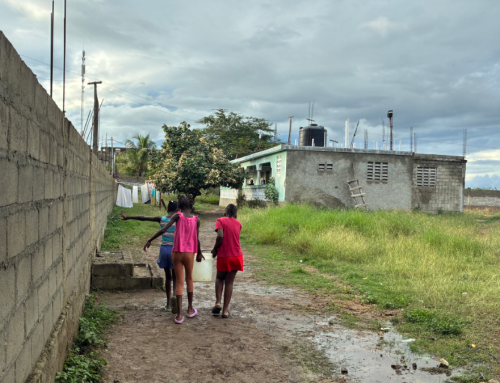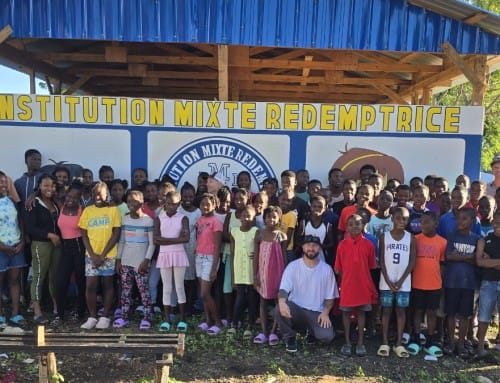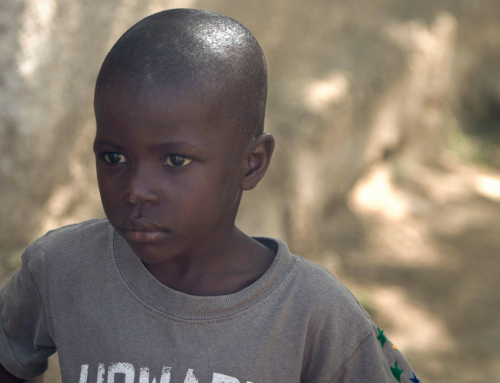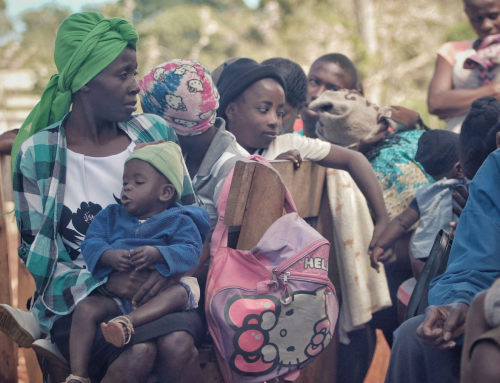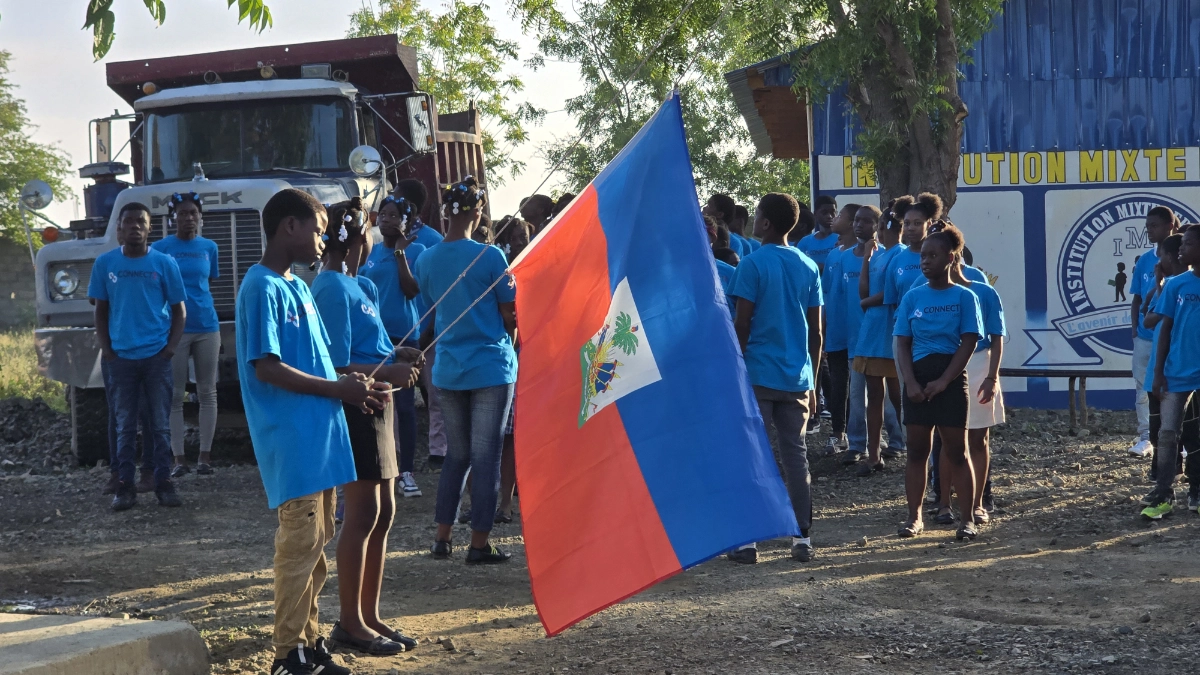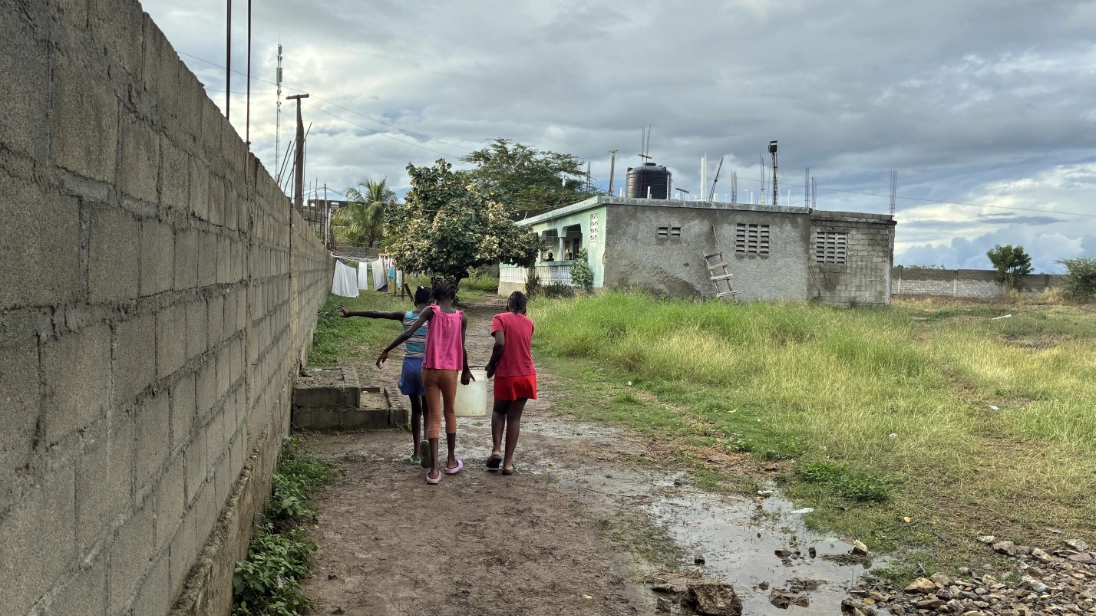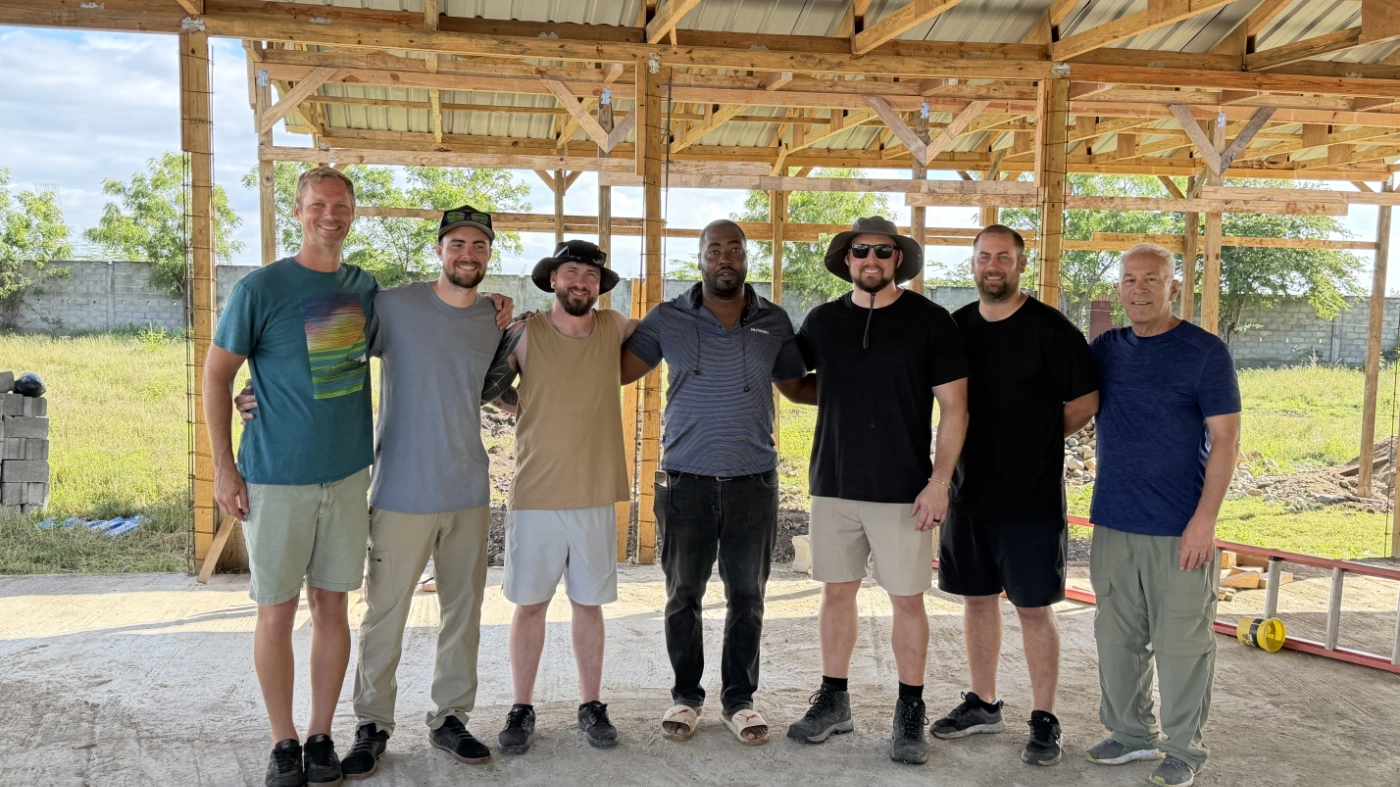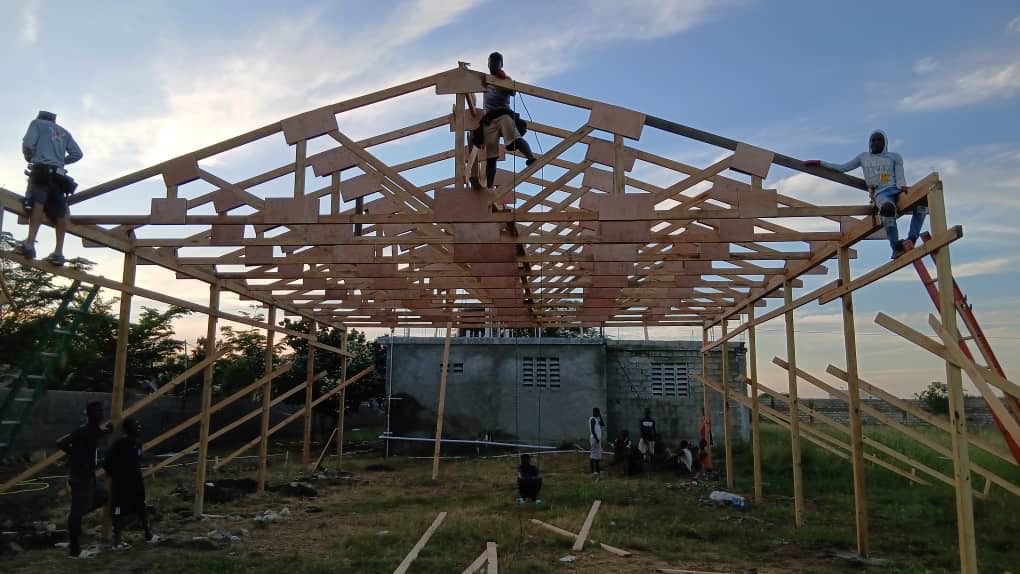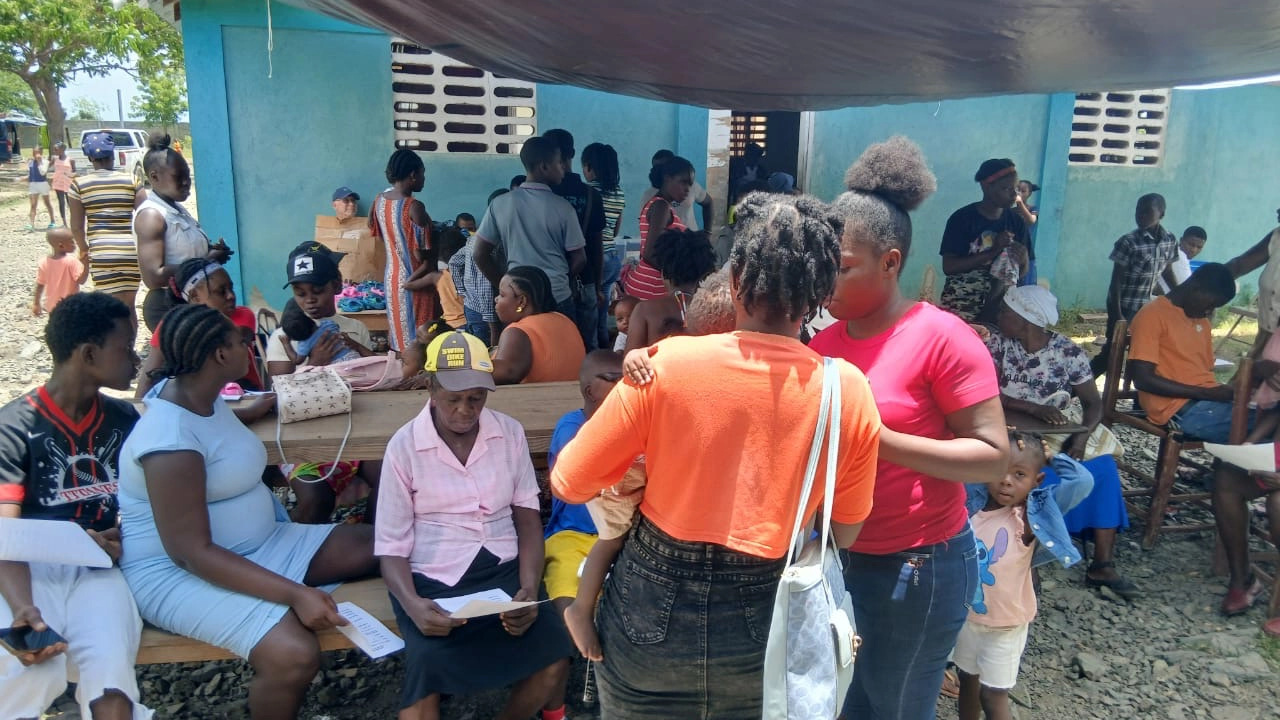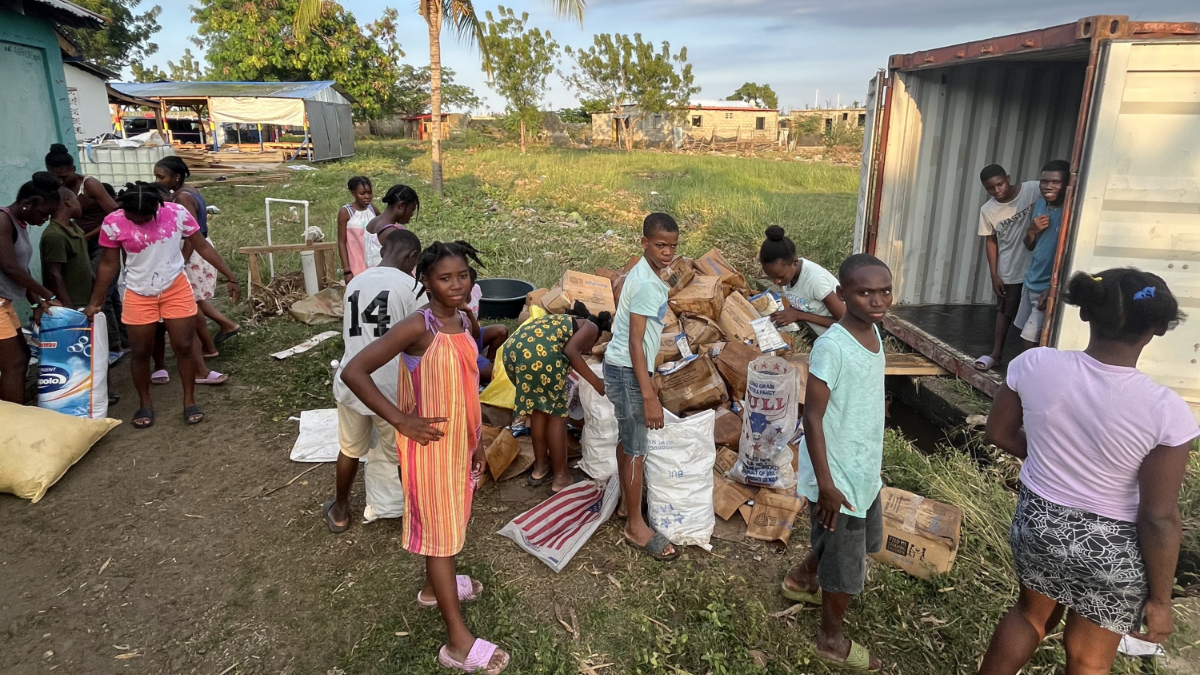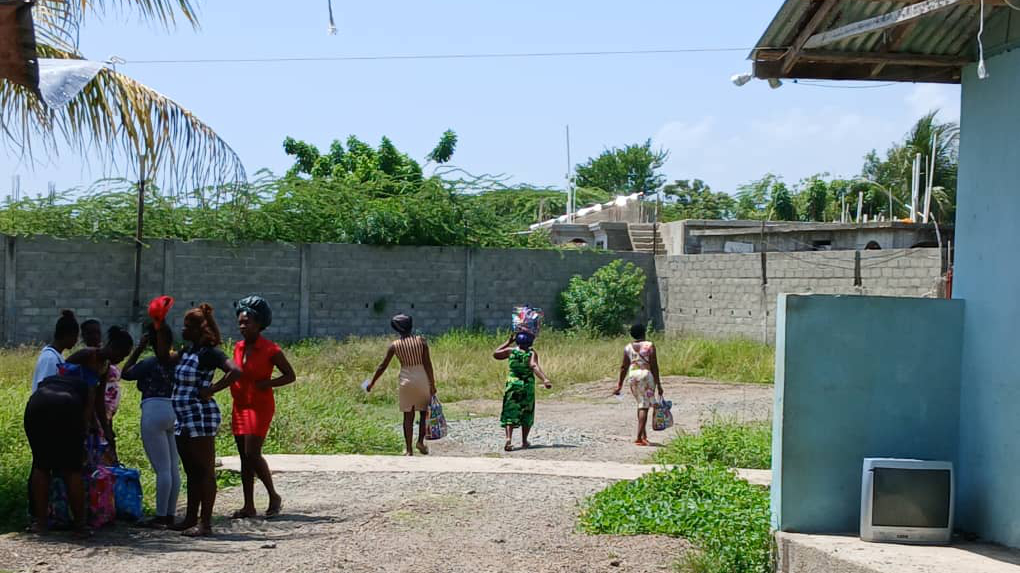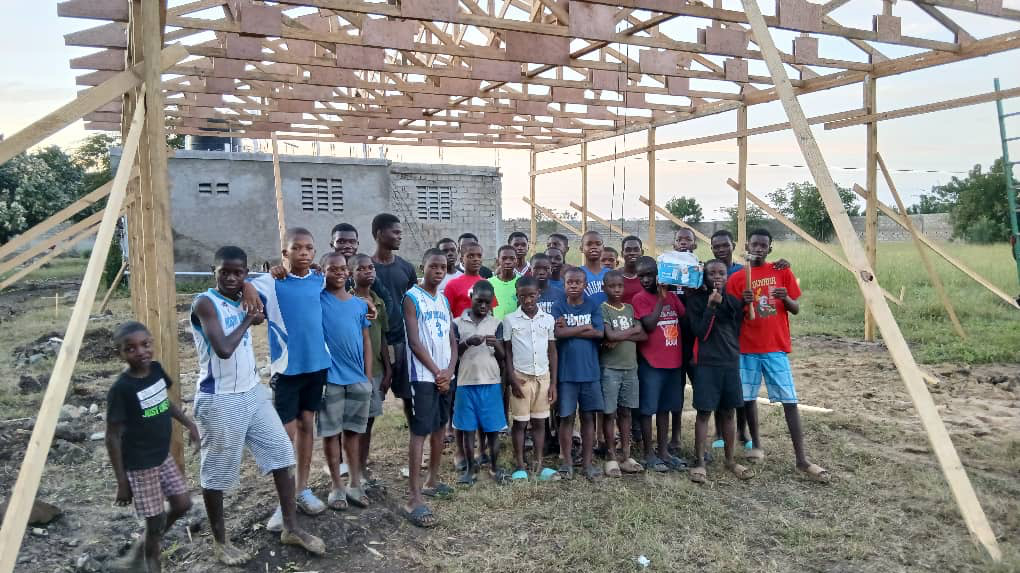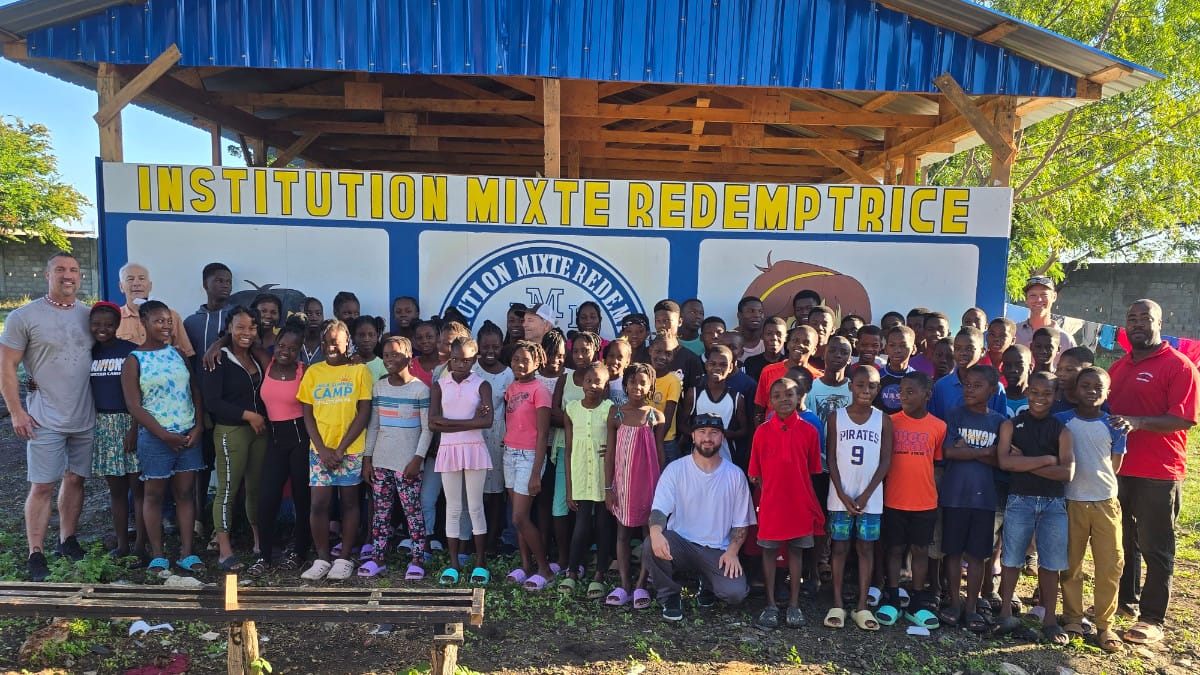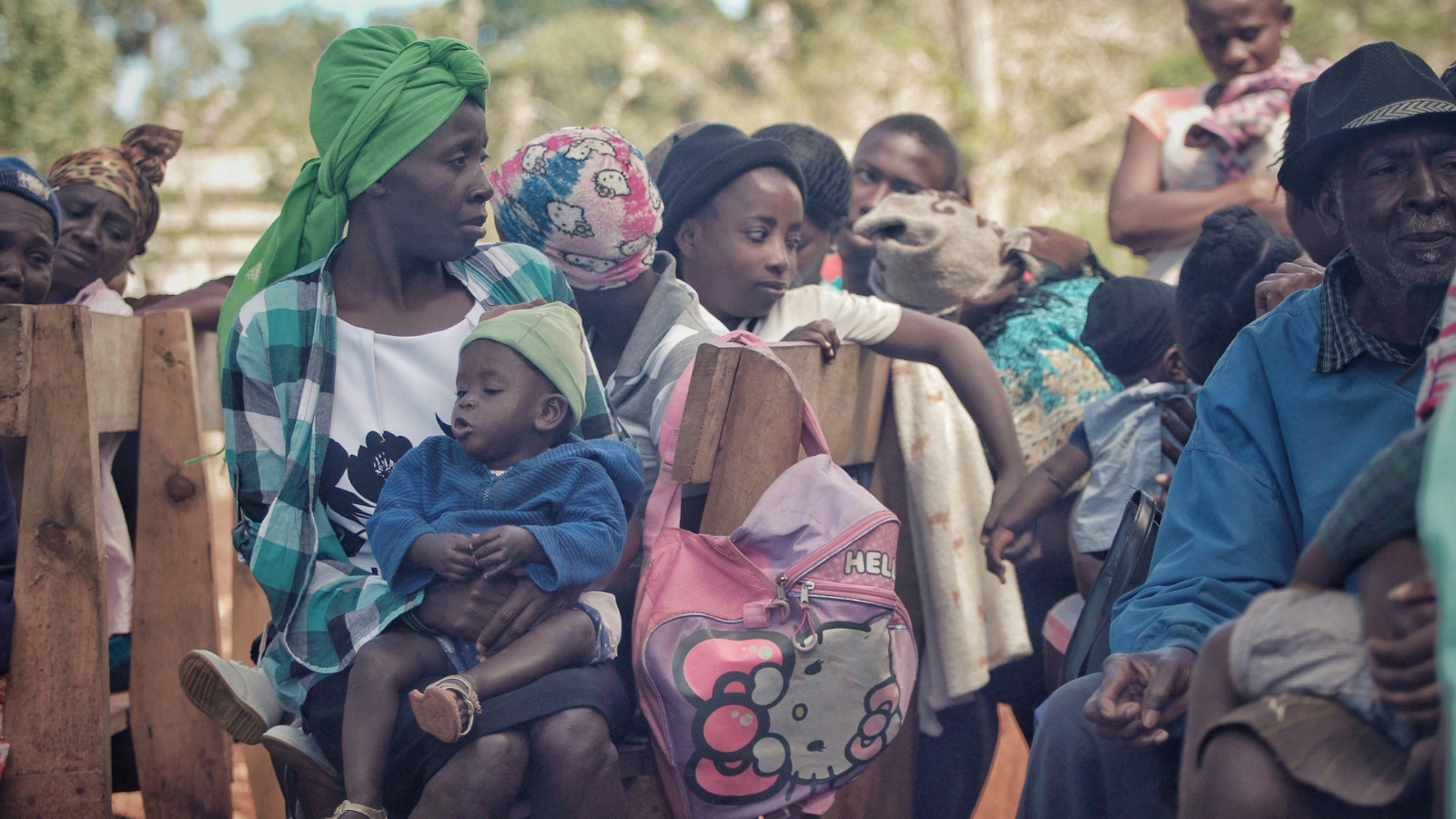
One of the challenges you often encounter when ministering in a different culture is the language barrier. We’ve talked about this in the past regarding our children. Some of our kids speak English, but most of them speak Creole, which raises a practical question: how do you communicate the gospel when it’s hard to communicate?
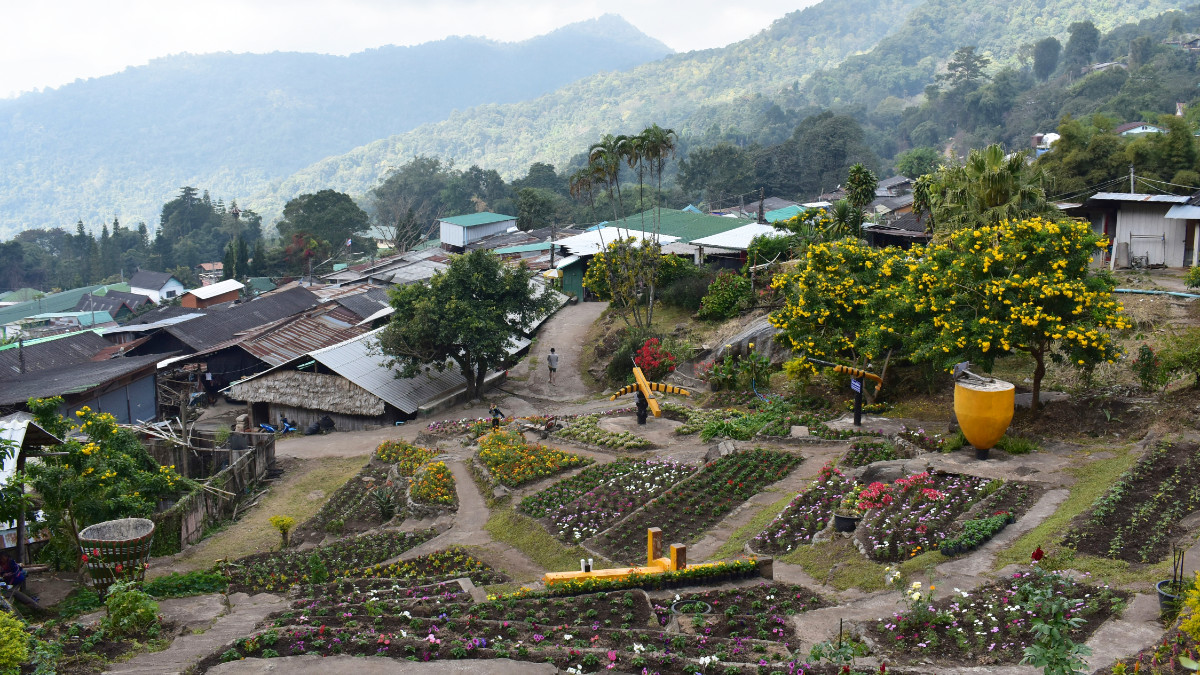
I spent some time thinking about this during my missions work in various parts of Asia—Korea, Japan, Thailand, Siberia, Kazakhstan, all places where English is not the predominant language. The logistics of discipleship are a real consideration in these contexts. For example, honor is a big thing in Asian cultures, so people might not say what they really feel because they don’t want to dishonor you. I learned on one of my trips that a Campus Crusade in Thailand had brought nearly 10,000 people to Christ. When I asked “Where are they now?” I learned that no one really knew, because these people had mostly disappeared. The majority of “converts” in this context would tell the missionaries they accepted Jesus to show them honor, but that was the end of it. Communication barriers like this become a problem when there’s no one acting as a bridge.
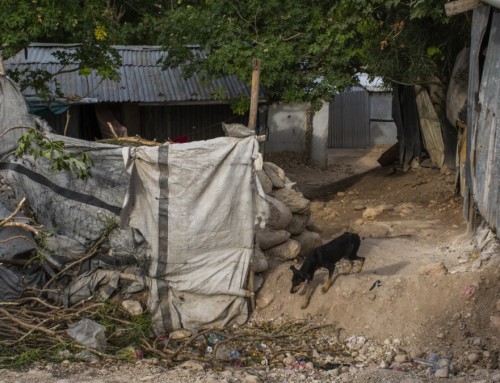
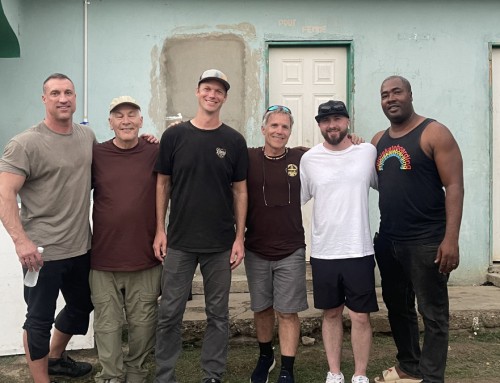
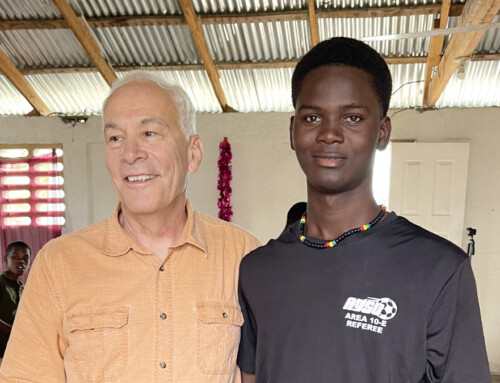
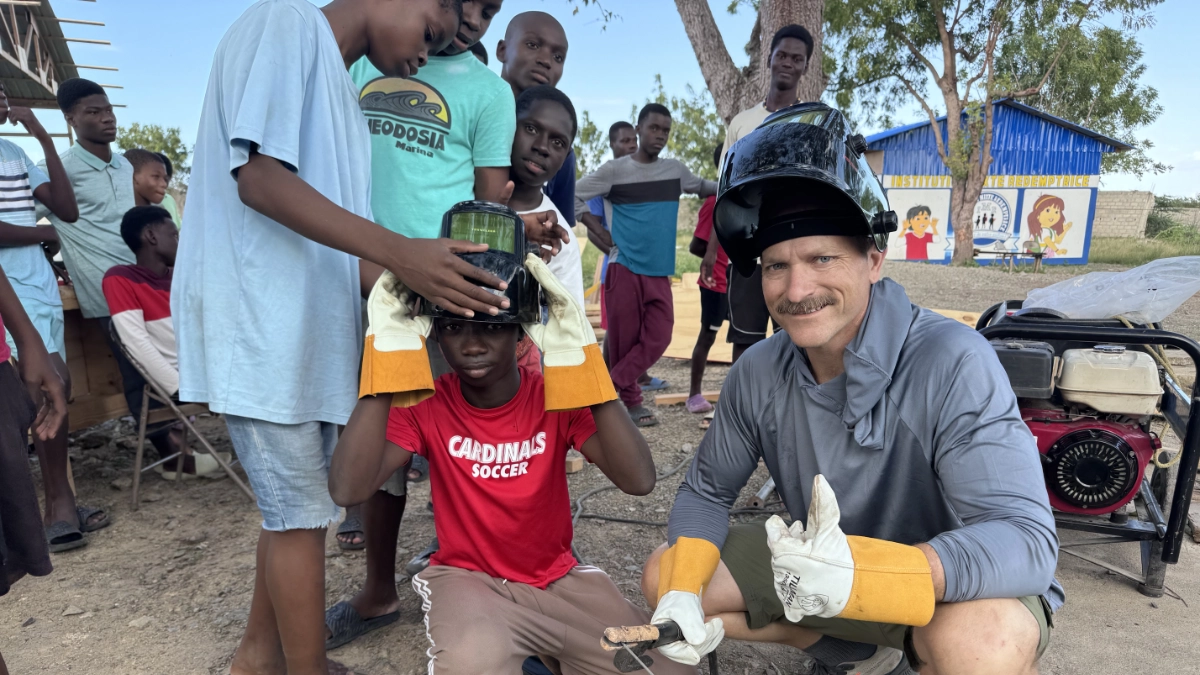
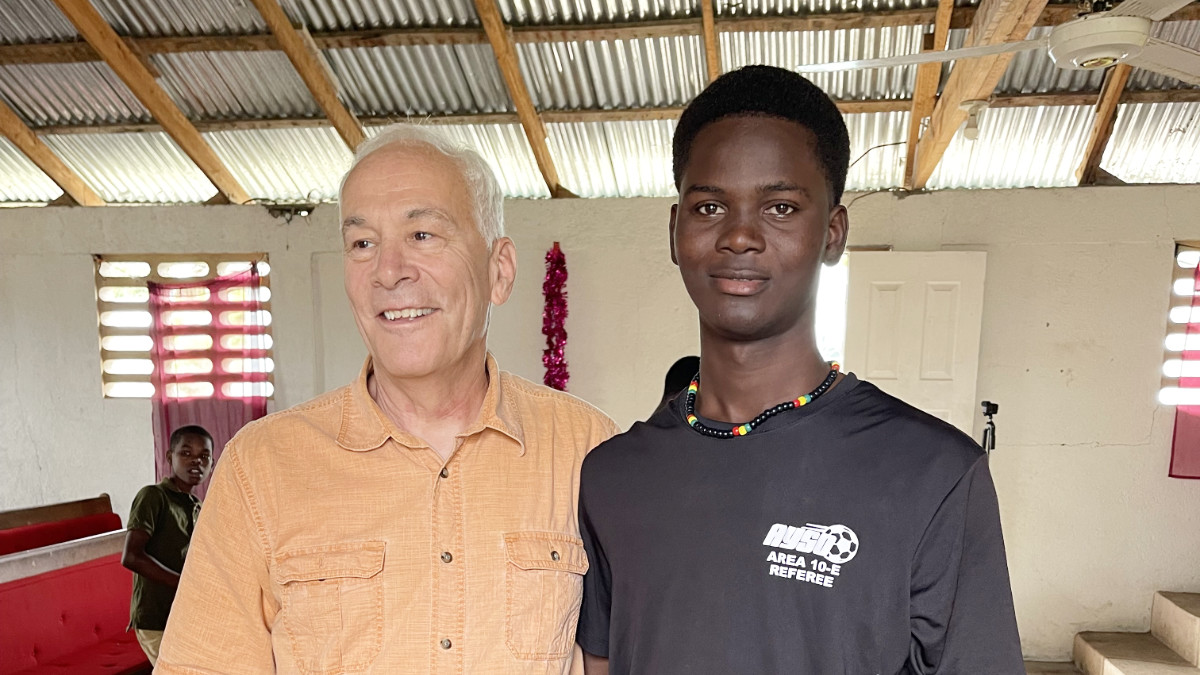
In Haiti, we’ve addressed this by finding one person we can communicate the gospel to. Then he or she becomes the evangelist in the local language and culture, reaching others with the message we’ve shared. That’s how we began our relationship with Pastor Poyis, in the context of one-on-one discipleship. Our philosophy has always been not to stay, but to share in a discipleship relationship that then works its way outward more effectively than we could as Americans in a foreign culture. I could spend a lifetime trying to learn local rules and customs, but I will never be as adept as a national. So my goal in any context is to find one or two receptive people, pour my life into them, and let them be the ones who reach their own people for Christ.
In Southeast Asia, this approach looked like a group of locals starting an evangelistic library. Amazingly, it wasn’t a religious library. Their philosophy was that people come into libraries looking for new information. In their culture, the people were learners, so by building relationships with curious people, they began to develop relationships based on deeper things. They ended up starting ten different libraries, and starting churches connected with each library. People who want new information are open to new ideas, and this provides a powerful opportunity for the gospel.
Regardless of the culture, meeting people where they are requires some critical thinking. It takes paying attention and asking good questions, and that’s a principle we can apply ourselves, whether at home or around the world. God’s truth reaches out to us, and we have a responsibility to be discerning as we reach out to share His truth with others.
For information about ways to serve, visit Support Us.
Share This Story!
Join Our Blog Email List!
Delivered directly in your email, don't miss an opportunity to read about our mission to save children and bringing the Gospel to Haiti.
By submitting this form, you are consenting to receive marketing emails from: Connect2Ministries, PO Box 942082, Simi Valley, CA, 93094, http://connect2ministries.org. You can revoke your consent to receive emails at any time by using the SafeUnsubscribe® link, found at the bottom of every email. Emails are serviced by Constant Contact