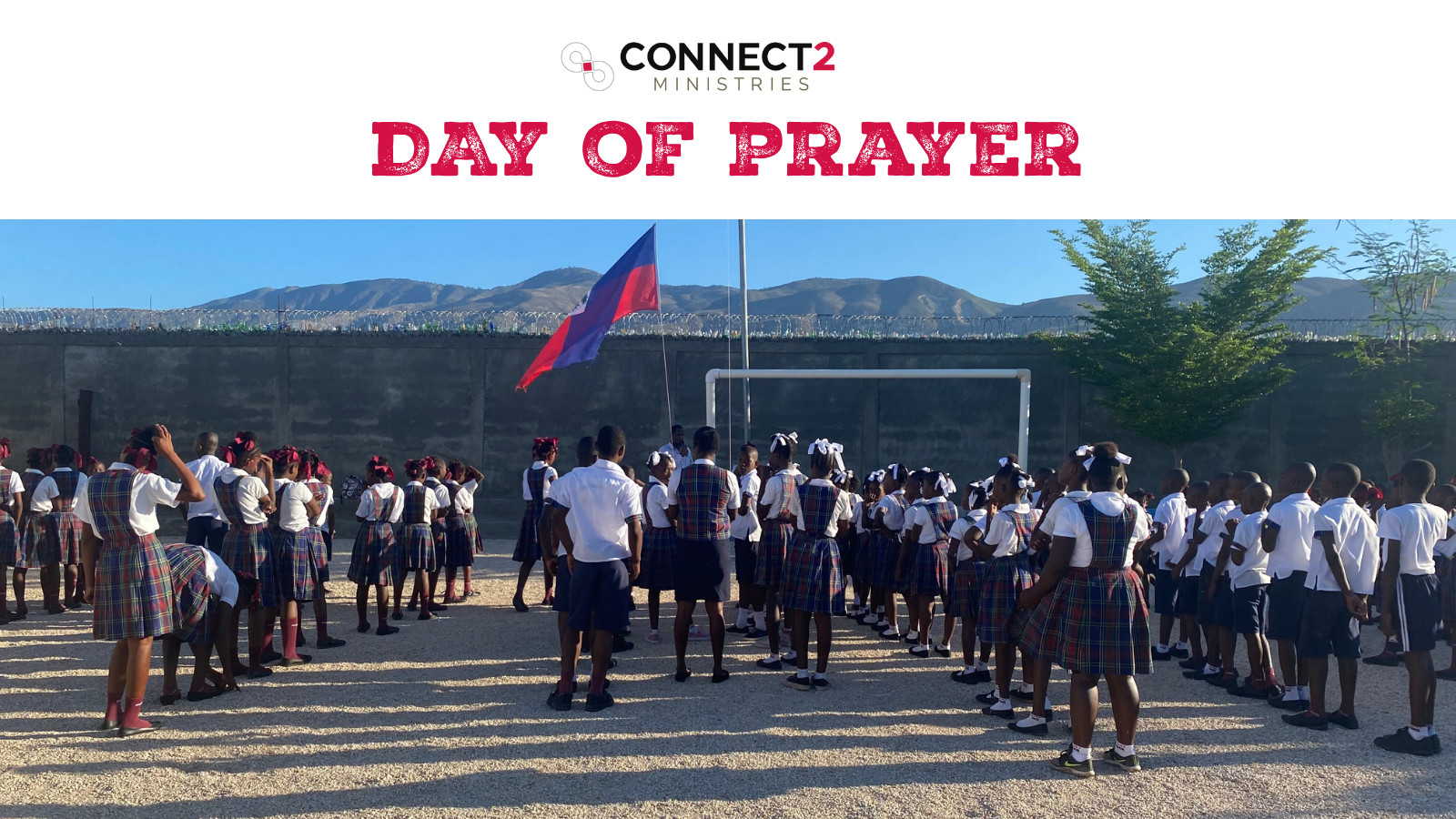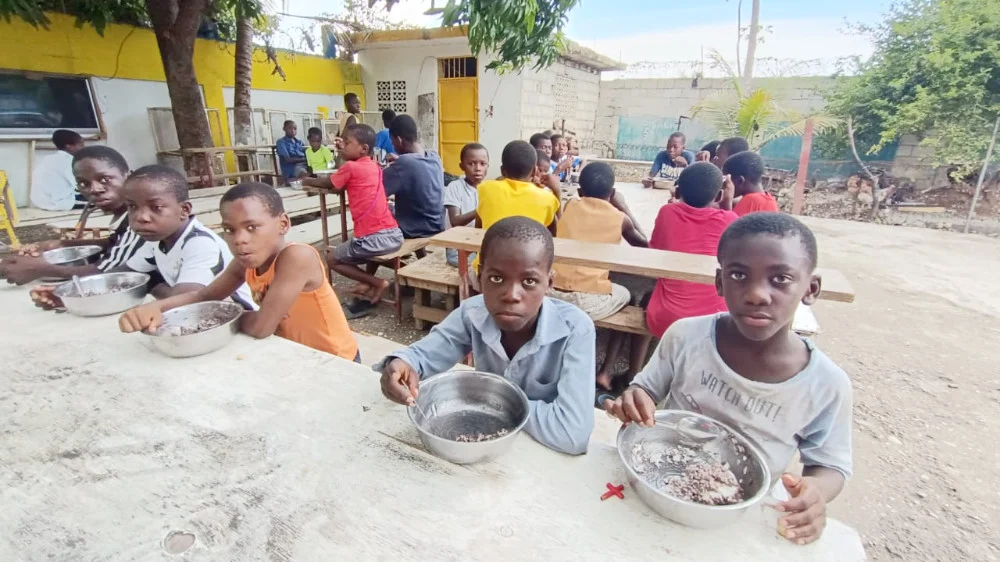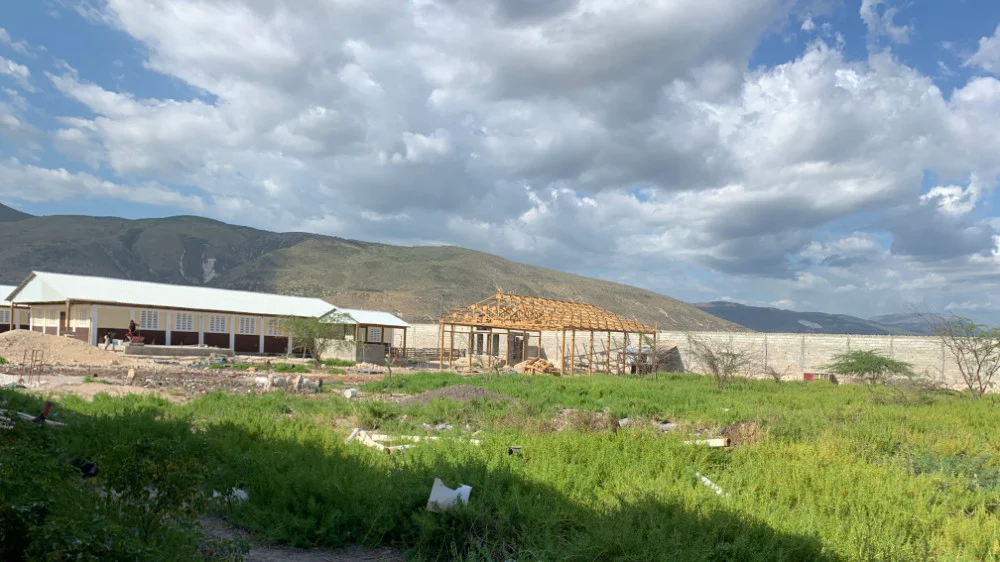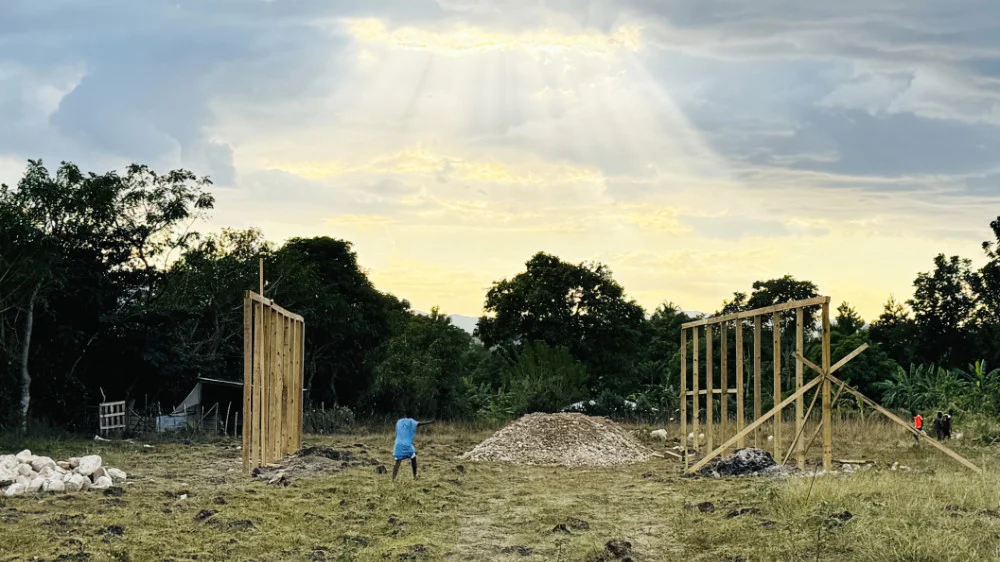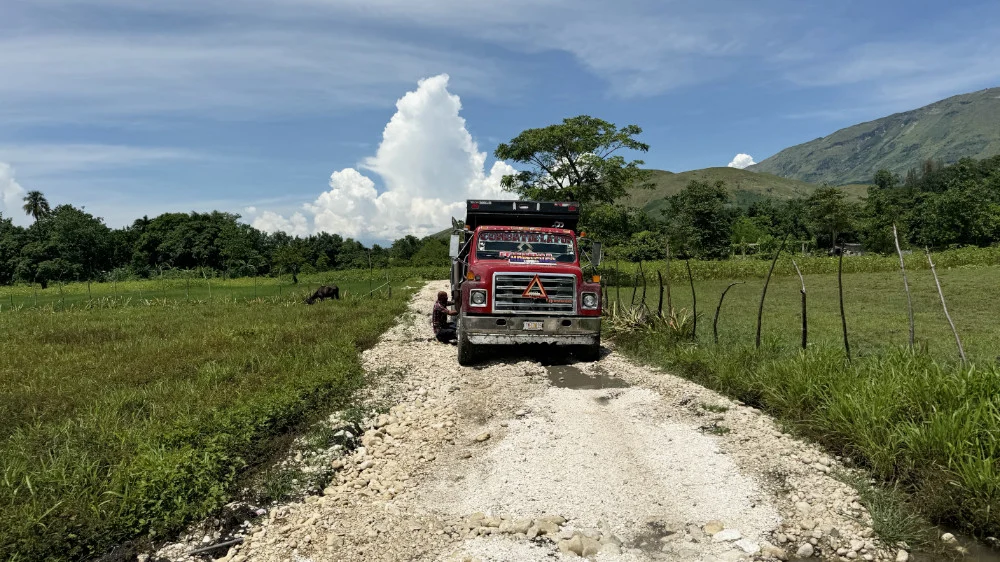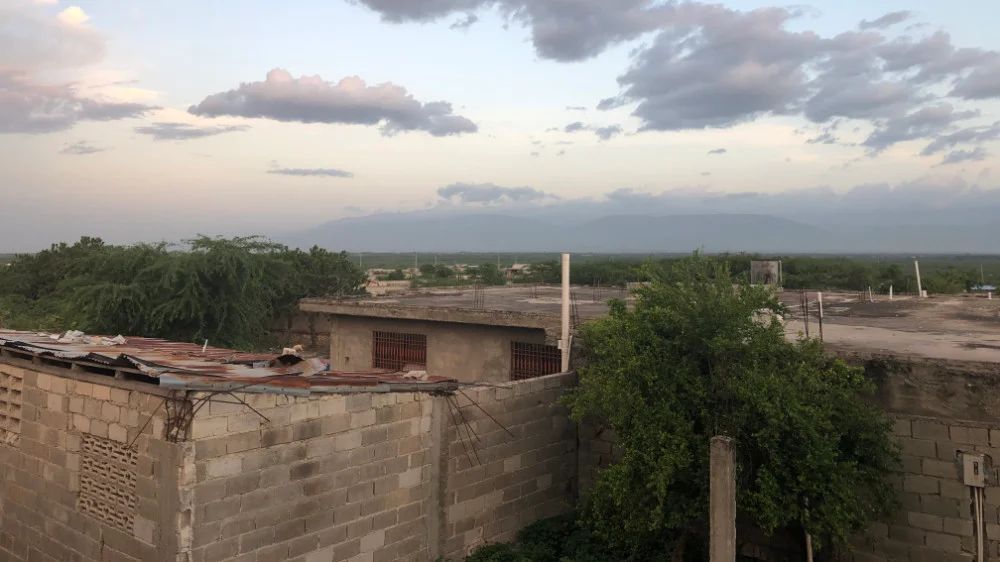
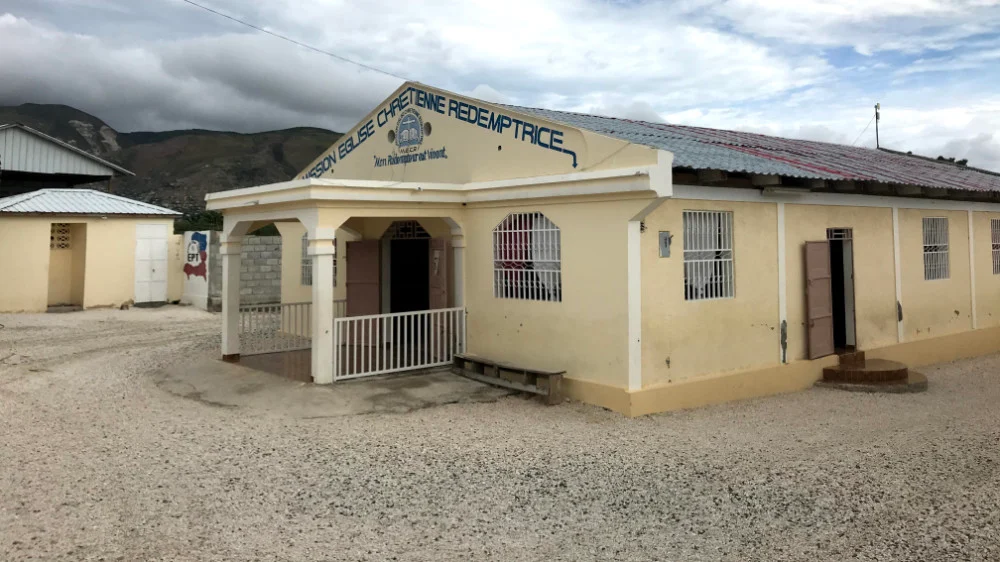
At Connect 2 Ministries, we’ve developed four core pillars that create a framework for everything we do in ministry. The goal of this series is to highlight each pillar by explaining what it means, why it matters, and how it makes a difference in our ministry.
Church-Centric
God designed the church to be an extension of Himself in the world, and we represent Christ because of our unity with Him. By working through local churches, whether in the US or in Haiti, we affirm God’s plan for Christian ministry to happen in the context of community.
We believe that the local church is God’s primary means of advancing His Kingdom on earth. While there are many strategies for doing good and meeting needs, we are committed to strengthening, equipping, and working through the local church because we believe God has already chosen it as His vehicle for transformation. Being church-centric means affirming God’s plan for His people and walking it out.
The Church is not a human invention—it was divinely appointed by God Himself. Jesus said in Matthew 16:18: “I will build my church, and the gates of hell shall not prevail against it.” This is more than a metaphor; it’s a mission statement. Christ’s focus wasn’t on institutions, governments, or organizations. It was on the called-out community of believers who would carry His message to the ends of the earth.
In Ephesians 3:10, Paul described the Church as the means by which God’s truth is made known. The local church isn’t just a tool for ministry—it is the ministry. It’s the body of Christ in motion, living out the gospel, that brings peace and hope to those in need
.
Being church-centric also means that we are part of a global church that transcends any local context. To that end, we come alongside local churches—whether in cities or remote villages—to support their role in their communities and strengthen the universal church as a result.
Practically, this looks like:
- Equipping pastors and leaders through biblical training and mentorship.
- Partnering with churches to assess and address community needs.
- Supporting church-led initiatives in areas like education, food security, and crisis relief.
- Helping churches become places of refuge, discipleship, and mission.
There’s a temptation in modern missions to bypass the church in favor of faster, flashier models. But if we believe Scripture, we must believe that the church is not optional: it is essential. By being church-centric, we choose to invest deeply in what Jesus is building. We choose to believe that God is already at work in the places we serve—and we get the privilege of sharing in His mission.
When the local church is healthy and strong, sustainable transformation happens. Relationships are formed. Disciples are made. Families are restored. And the light of Christ shines brighter than any person, initiative, or program ever could.
For information about giving to our ministry, visit Support Us.
Share This Story!
Join Our Blog Email List!
Delivered directly in your email, don’t miss an opportunity to read about our mission to save children and bringing the Gospel to Haiti.
By submitting this form, you are consenting to receive marketing emails from: Connect2Ministries. You can revoke your consent to receive emails at any time by using the SafeUnsubscribe® link, found at the bottom of every email. Emails are serviced by Constant Contact