At Connect 2 Ministries, we’ve developed four core pillars that create a framework for everything we do in ministry. The goal of this series is to highlight each pillar by explaining what it means, why it matters, and how it makes a difference in our ministry.
Indigenous Ministry
“Making disciples” doesn’t stop after conversion. Our goal is to support Haitian believers by equipping them for ministry in a culture they know better than we ever could.
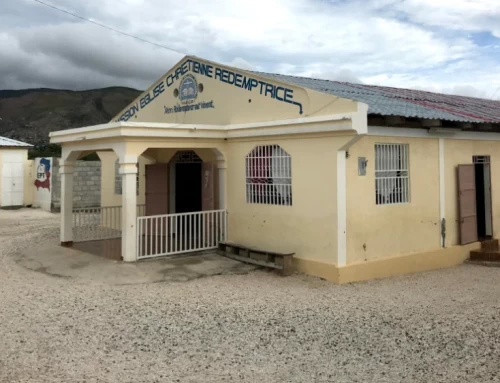
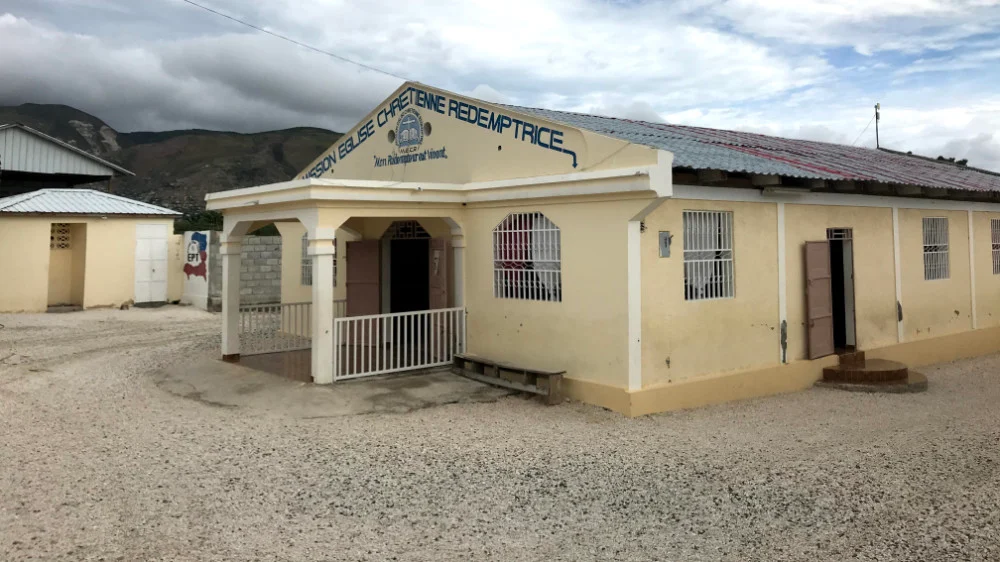
The fourth pillar of Connect 2 Ministries is indigenous ministry. We believe that the most effective, faithful, and lasting gospel work is carried out by local people in their own communities, uniquely empowered and equipped for the work God has called them to do. This value isn’t just practical; it’s biblical. From Genesis to Revelation, God works through people within unique cultures to reach their own. The work of missions is not about outsiders taking over—it’s about lifting up insiders divinely placed by God.
In Acts 1:8, Jesus told His disciples: “You will be my witnesses in Jerusalem, and in all Judea and Samaria, and to the ends of the earth.” The progression starts very local, then becomes regional, then global. The gospel goes outward through those already rooted in particular communities. Paul and Barnabas appointed local elders in every church to that end, ensuring the faith would grow through indigenous leadership long after their short-term work was over (Acts 14:23). The apostles raised up local leaders who knew the language, customs, challenges, and opportunities better than anyone from the outside ever could.
God’s plan has never been one-size-fits-all. The Gospel is universal, but the expression of the Church is wonderfully contextual—flourishing in villages, cities, and nations in unique and powerful ways when led by those who are part of the community themselves.
At Connect 2 Ministries, being committed to indigenous ministry means we don’t lead from the front—we serve from behind. We believe the local church is already God’s solution, and our role is to come alongside, not take over.
Practically, this looks like:
- Identifying, training, and resourcing local pastors and leaders.
- Trusting those leaders to guide ministry direction, because they understand their communities best.
- Supporting culturally relevant discipleship and outreach strategies.
- Refusing models that create dependence on outside funding or leadership.
This approach takes time, trust, and humility. But it builds something that endures. Local leaders are the ones who stay when crisis hits. They know what their people truly need. When they lead, ministry doesn’t just survive—it multiplies. Too often, well-meaning missions efforts have unintentionally created systems of dependence. But when ministry is indigenous, it’s sustainable. It’s scalable. And most importantly, it’s biblical.
This pillar protects us from pride. It reminds us that God is already at work in every culture, and He delights in using His people to reach their own. Indigenous ministry is not just a strategy—it’s a commitment to kingdom growth that reflects the heart of God. Our goal is not to build an effective international ministry, but to support the global church by building local legacies of faith.
Visit our Support Us page for information about how you can partner with us.
Share This Story!
Join Our Blog Email List!
Delivered directly in your email, don’t miss an opportunity to read about our mission to save children and bringing the Gospel to Haiti.
By submitting this form, you are consenting to receive marketing emails from: Connect2Ministries. You can revoke your consent to receive emails at any time by using the SafeUnsubscribe® link, found at the bottom of every email. Emails are serviced by Constant Contact