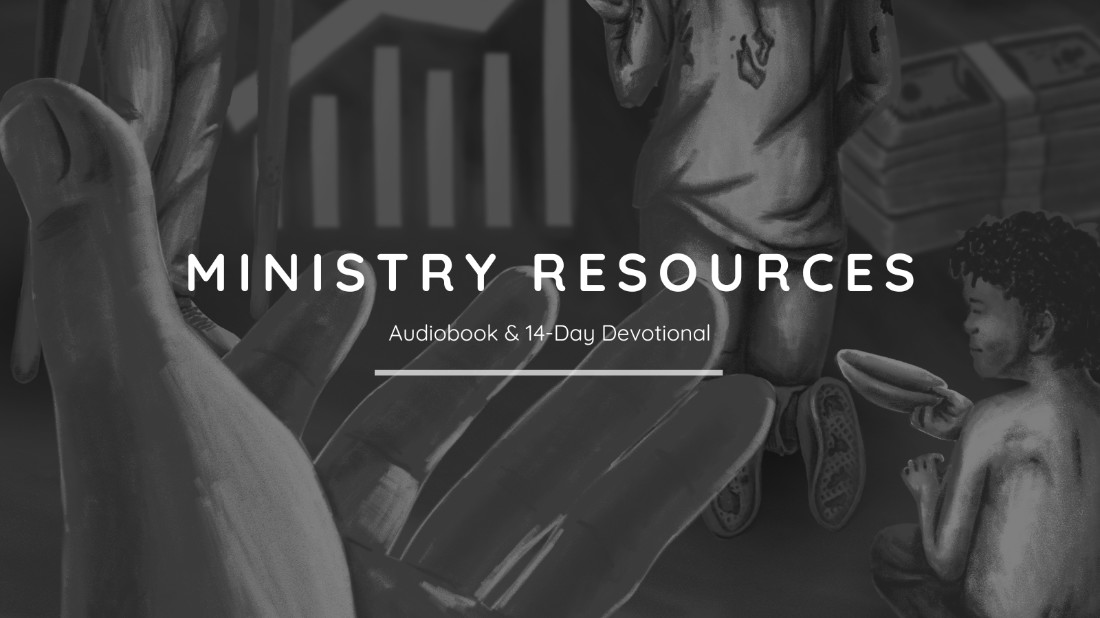

Doing church in the US or any western country involves some bureaucracy. As Christians, we are subject to the governing authorities. We are responsible to order our finances, documents, and records so that we are able to give an account. But is it ever possible to go too far in the name of stewardship and responsibility?
One downside of the bureaucratized church model is that it creates a tighter margin for ministry. When government took over meeting the needs of the poor, it took something away from the church. Historically, the church has been the organization that built hospitals, food banks, and orphanages. Government oversight eliminated many instances where Christians might see needs that are bigger than we can handle. Abundant resource makes it easy to rest on measurable abilities rather than living by faith, and that poses a problem for how the church shows up in society. When we default to, “the government will take care of it,” we miss a major calling on our lives to reach out to the lost. Consequently, it’s easy for churches to turn inward and focus mainly on meeting needs among themselves.
In Romans 12:1–2, the apostle Paul shares a challenge. He says, “I urge you, brothers, by the mercies of God, to present your bodies as a living and holy sacrifice,” going on to explain what that sacrifice looks like. In Paul’s words, it means “do not be conformed to this world, but be transformed by the renewing of your mind.” Paul is calling us to place our stake in the mercies of God. This is our foundation because it gives us perspective on everything else in our lives. Apart from God’s mercy, you cannot give your life as a sacrifice. It makes no sense even to try because God’s mercies are what enable us to offer our life as a sacrifice of worship in the first place, giving ourselves to the One who gave His life for us. This is where we find the strength to serve and obey.
When our perspective is set on the mercies of God, it means we measure everything in our culture by it. This gives clarity on what we are to sacrifice on a daily basis, and it also gives a roadmap for how God would see our lives mature. If we cultivate an attitude of thinking biblically first and business second, then our churches will be more obedient, and we’ll be able to step out in faith rather than relying exclusively on business principles in minstry. Faith lives on what God is able to do, not what we see right in front of us. That perspective shift is a major step toward cultivating biblical discernment.
To learn how you can be praying with us for the ministry in Haiti, visit Prayer Requests.
Share This Story!
Join Our Blog Email List!
Delivered directly in your email, don't miss an opportunity to read about our mission to save children and bringing the Gospel to Haiti.
By submitting this form, you are consenting to receive marketing emails from: Connect2Ministries, PO Box 942082, Simi Valley, CA, 93094, http://connect2ministries.org. You can revoke your consent to receive emails at any time by using the SafeUnsubscribe® link, found at the bottom of every email. Emails are serviced by Constant Contact